Transform SaaS Development with Rapid Web Application Tools
Discover how rapid web application development platforms revolutionize SaaS creation. Learn to leverage modern tools for faster, scalable, and cost-effective solutions.

Zakariae

The software development landscape has transformed dramatically over the past few years. What once required months of painstaking development, extensive team coordination, and substantial financial investment can now be accomplished in a matter of days. This shift represents more than just incremental improvement; it signals a fundamental change in how entrepreneurs, developers, and agencies approach building software products. The emergence of sophisticated tooling, pre-built architectures, and streamlined deployment processes has democratized SaaS development, enabling solo founders and small teams to compete with well-funded enterprises.
The SaaS market continues its explosive growth trajectory, with industry analysts projecting valuations exceeding $1.2 trillion by 2032. This expansion creates unprecedented opportunities for those who can move quickly, validate ideas efficiently, and bring products to market before competitors. However, speed without structure leads to technical debt, security vulnerabilities, and scalability nightmares. The key lies in leveraging rapid web application development platform solutions that provide both velocity and architectural integrity.
Key Takeaways
- Time compression is achievable: Modern boilerplates and frameworks can reduce development timelines from months to days without sacrificing code quality or scalability.
- Multi-tenant architecture matters: Building platforms that support multiple clients with isolated data and custom domains requires specialized infrastructure from day one.
- Pre-built features accelerate launch: Authentication, billing, team management, and analytics come ready to deploy in quality starter kits, saving hundreds of development hours.
- Self-hosting options reduce costs: Enterprise-level platforms can run on infrastructure costing as little as $15 per month when properly configured.
- No-code capabilities expand market reach: Platforms that enable non-technical users to build applications command premium valuations and recurring revenue.
- Technical foundations determine long-term success: Choosing the right stack and architecture early prevents costly rewrites and migration headaches later.

Understanding the Rapid Development Revolution
The concept of rapid application development originated in the 1980s as a response to the rigid, sequential waterfall methodology that dominated software engineering. However, today's rapid development bears little resemblance to those early iterations. Modern rapid development combines pre-built components, automated infrastructure, and battle-tested architectures into cohesive packages that eliminate the need to reinvent fundamental features with every new project.
Consider the traditional approach to building a multi-tenant SaaS platform. Developers would need to architect database isolation strategies, implement authentication flows, build billing integrations, create admin dashboards, design user management systems, and configure deployment pipelines. Each of these components requires specialized knowledge, extensive testing, and ongoing maintenance. Research indicates that approximately 64% of software features are rarely or never used, suggesting that much traditional development effort goes toward functionality that provides minimal value.
The rapid development paradigm flips this equation. Instead of building everything from scratch, developers start with production-ready foundations that include the essential features every SaaS platform requires. This approach allows teams to focus their energy on the unique value proposition that differentiates their product rather than reimplementing commodity functionality. The result is faster time to market, lower development costs, and higher quality outcomes.
Industry data supports this shift in methodology. Reports indicate that the primary reason startups fail, cited in 42% of cases, is the absence of market need for their product. Rapid development enables teams to validate market demand before investing heavily in custom development. By launching functional products quickly, founders can gather real user feedback, iterate based on actual usage patterns, and pivot when necessary without the sunk cost fallacy that plagues traditional development projects.
The Multi-Tenant Architecture Imperative
Multi-tenant architecture represents the backbone of modern SaaS platforms. Unlike single-tenant systems where each customer receives a dedicated instance of the application, multi-tenant platforms serve multiple customers from a shared infrastructure while maintaining strict data isolation. This architectural pattern enables the economies of scale that make SaaS business models financially viable.
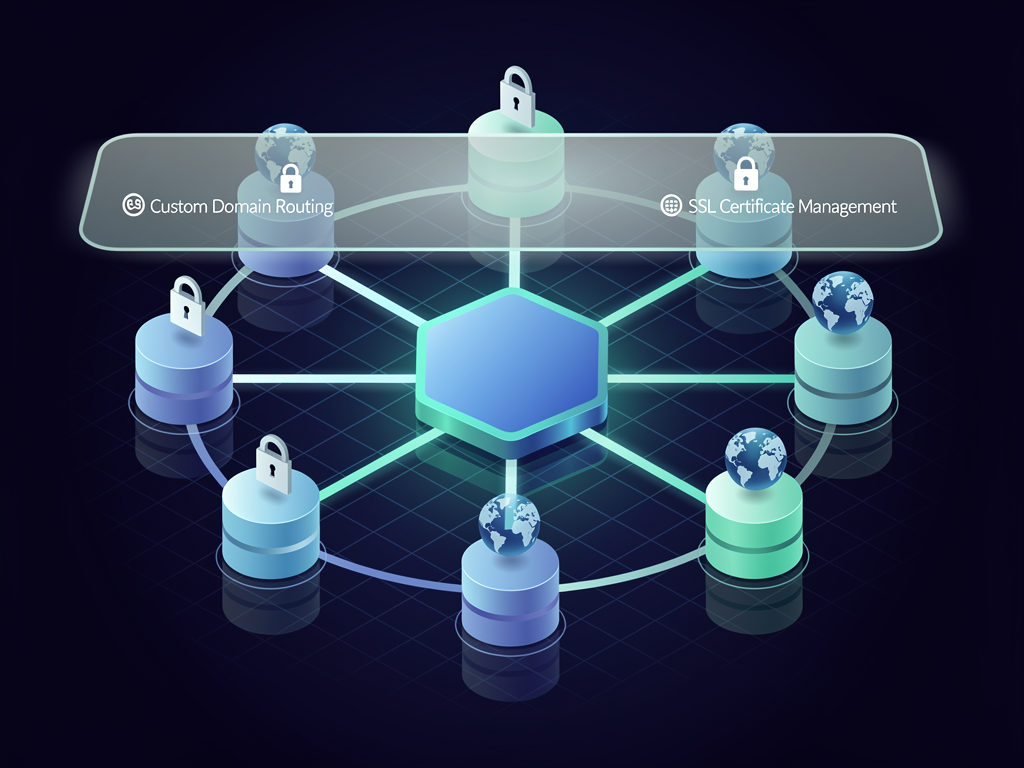
Implementing multi-tenant architecture correctly requires careful consideration of several factors. Database design must support tenant isolation while enabling efficient queries across the shared infrastructure. Authentication systems need to distinguish between platform-level users and tenant-specific members. Billing mechanisms must track usage and subscriptions at both the platform and tenant levels. Custom domain support with SSL certificates adds another layer of complexity that many teams underestimate.
A quality multi-tenant boilerplate addresses these challenges with pre-built solutions that have been tested across multiple production deployments. Rather than spending weeks researching database isolation strategies or debugging SSL certificate provisioning, developers can leverage existing implementations that handle edge cases and security considerations automatically. This foundation proves particularly valuable for teams building no-code platforms where end users create their own applications with custom subdomains.
The technical requirements for multi-tenant systems extend beyond basic data separation. Permission systems must support hierarchical access control, allowing platform administrators to manage tenant owners who in turn manage their own team members. Analytics must aggregate data across tenants for platform insights while providing tenant-specific metrics for individual customers. Email systems need to support both platform-wide communications and tenant-specific campaigns. Each of these requirements adds development time when built from scratch but comes ready to use in comprehensive starter solutions.
Choosing the Right Technology Stack
Technology stack selection significantly impacts both development velocity and long-term maintainability. The JavaScript ecosystem has emerged as the dominant choice for modern SaaS development, with Next.js leading the framework adoption charts. This React-based framework provides server-side rendering, static site generation, API routes, and middleware capabilities in a single cohesive package.
A Next.js boilerplate optimized for SaaS development typically includes Tailwind CSS for styling, TypeScript for type safety, and Prisma for database operations. This combination offers excellent developer experience while producing performant, maintainable applications. The ecosystem's maturity means that solutions exist for virtually every common requirement, from authentication to payment processing to email delivery.
Database selection deserves careful consideration in the rapid development context. PostgreSQL has become the de facto standard for SaaS applications, offering robust relational capabilities, excellent JSON support, and proven scalability. Cloud-hosted options like Neon and Supabase provide managed PostgreSQL instances with generous free tiers, while self-hosted deployments offer cost savings for production workloads. The ability to migrate between hosting options without code changes provides valuable flexibility as platforms scale.
State management in complex SaaS applications requires thoughtful architecture. Libraries like Zustand provide lightweight, performant state management without the boilerplate overhead of alternatives like Redux. Combined with React Query for server state synchronization, this approach delivers responsive user interfaces that remain consistent across components while minimizing unnecessary re-renders and network requests.
Authentication represents another critical stack decision. NextAuth (now Auth.js) provides flexible authentication supporting multiple providers, session management, and role-based access control. For multi-tenant platforms, authentication must distinguish between platform users who manage the overall system and app members who interact with specific tenant applications. This dual authentication model requires specialized implementation that generic authentication solutions do not provide out of the box.
Essential Features for SaaS Platform Success
Successful SaaS platforms share common feature sets that enable core business operations. Understanding these essential features helps teams prioritize development efforts and evaluate potential starter solutions. The following capabilities form the foundation upon which differentiated functionality can be built.
User authentication and authorization must support secure login flows, password recovery, email verification, and session management. Social login options increase conversion rates by reducing friction during signup. Role-based access control enables different permission levels for administrators, team members, and end users. Multi-factor authentication adds security for platforms handling sensitive data.
Billing and subscription management integrates with payment processors to handle recurring charges, usage-based billing, plan upgrades and downgrades, and failed payment recovery. Stripe has become the standard choice for SaaS billing, offering comprehensive APIs, excellent documentation, and global payment support. Integration complexity varies significantly between starter solutions, with some providing complete billing portals while others require substantial custom development.
Team collaboration features enable multiple users to work within shared workspaces. Permission levels typically include owner, administrator, editor, and viewer roles with configurable access to different platform areas. Invitation flows, team member management, and activity logging support collaborative workflows essential for B2B SaaS products.
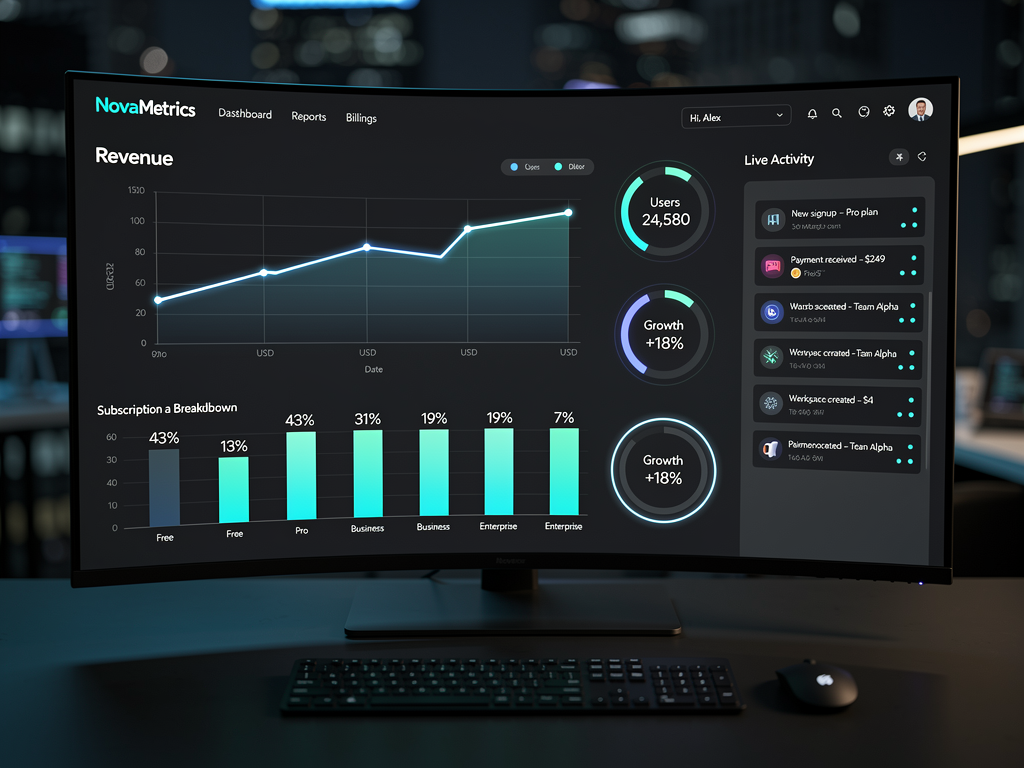
Analytics and reporting provide insights into platform usage, user behavior, and business metrics. Real-time dashboards help administrators monitor system health while tenant-specific analytics enable customers to understand their own usage patterns. Integration with external analytics services like Mixpanel or Amplitude extends capabilities for teams requiring advanced behavioral analysis.
The No-Code Platform Opportunity
No-code platforms represent one of the fastest-growing segments within the SaaS market. These platforms enable non-technical users to build applications, automate workflows, and create digital experiences without writing code. The opportunity for developers lies not in using no-code tools but in building them, creating platforms that empower others to create.
Building a no-code platform requires sophisticated architecture that goes beyond typical SaaS requirements. Users expect to create unlimited applications within their accounts, each with distinct configurations, data models, and user bases. Custom subdomains and SSL certificates enable professional branding for user-created applications. The platform must handle dynamic schema generation, visual interface builders, and extensible component systems.
The business model advantages of no-code platforms prove compelling. Subscription revenue scales with user success as customers upgrade to higher tiers supporting more applications, team members, or advanced features. Platform lock-in increases as users invest time building applications, reducing churn rates compared to simpler SaaS products. Network effects emerge as users share templates, integrations, and best practices within platform communities.
Technical challenges for no-code platform development include performance optimization for dynamically generated interfaces, security isolation between user-created applications, and scalable data storage for unpredictable schema requirements. A Next.js SaaS template designed for no-code platforms addresses these challenges with purpose-built architecture rather than generic solutions adapted for the use case.
Market validation for no-code platforms comes from the success of existing players. Platforms like Bubble, Webflow, and Airtable have achieved substantial valuations by enabling non-developers to build software. The market remains fragmented with opportunities for specialized platforms targeting specific verticals, use cases, or geographic regions. Rapid development approaches enable founders to test market hypotheses quickly before committing to extensive custom development.
Custom Domains and SSL: The Technical Deep Dive
Custom domain support with automatic SSL certificate provisioning represents one of the most technically challenging aspects of multi-tenant platform development. Users expect to connect their own domains to applications created on your platform, presenting those applications under their brand rather than as subdomains of your service. This capability significantly increases perceived value and enables premium pricing tiers.
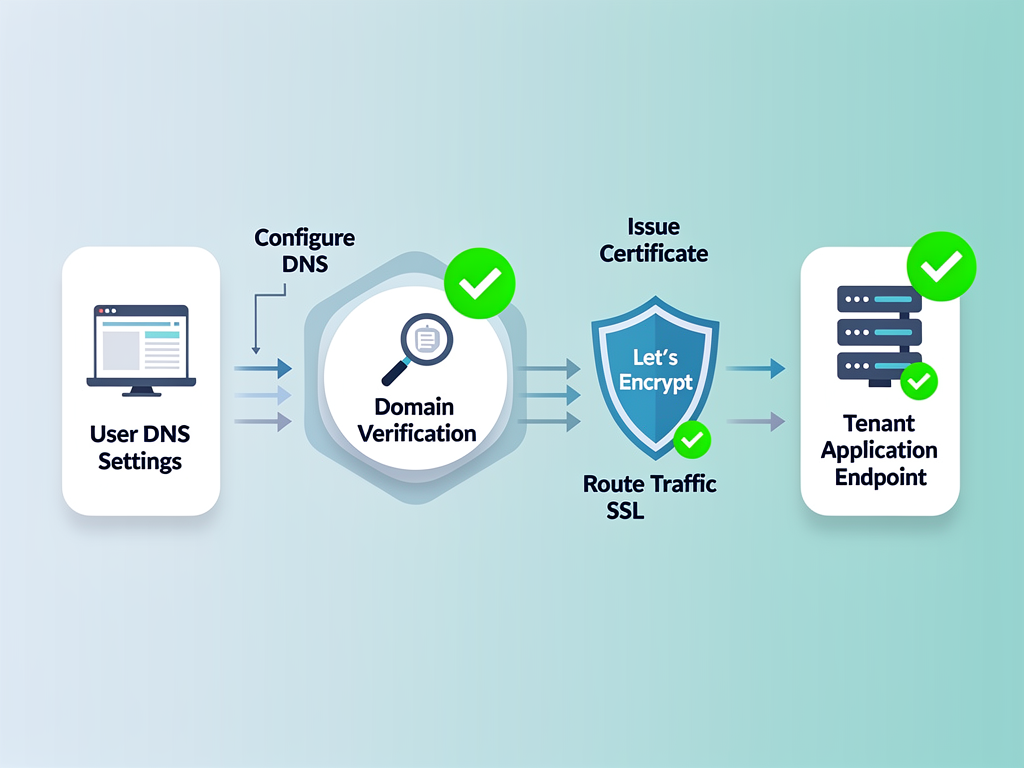
The technical implementation involves several interconnected systems. DNS configuration requires users to create CNAME or A records pointing their domains to your platform's infrastructure. Domain verification ensures that only legitimate domain owners can connect domains to applications. SSL certificate provisioning through services like Let's Encrypt must happen automatically without manual intervention. Reverse proxy configuration routes incoming requests to the correct tenant application based on the requested domain.
Edge cases and error handling add substantial complexity. Certificates expire and must be renewed automatically. DNS propagation delays can cause temporary connection failures. Users may misconfigure DNS records, requiring helpful error messages and troubleshooting guidance. Domain conflicts arise when multiple users attempt to connect the same domain. Rate limits from certificate authorities constrain how quickly new certificates can be issued during traffic spikes.
Production-ready implementations of custom domain support typically require weeks of development and testing when built from scratch. Debugging SSL issues across different browsers, handling certificate renewal failures, and managing the infrastructure to support thousands of custom domains demands specialized expertise. A SaaS boilerplate with pre-built custom domain support eliminates this development burden while providing battle-tested solutions for common edge cases.
Infrastructure considerations for custom domain support include load balancer configuration, certificate storage, and DNS management. Cloud providers offer varying levels of support for these requirements, with some providing managed solutions and others requiring custom implementation. Self-hosted deployments using tools like Coolify can achieve enterprise-level custom domain support at a fraction of managed service costs.
Self-Hosting Strategies for Cost Optimization
Infrastructure costs can quickly consume significant portions of SaaS revenue, particularly during early growth phases when customer acquisition costs are high and lifetime values remain uncertain. Self-hosting strategies offer dramatic cost reductions compared to managed platform services while maintaining enterprise-level reliability and performance.
The traditional approach to SaaS deployment relies on platform-as-a-service providers like Vercel, Heroku, or Railway. These services simplify deployment but charge premium prices that scale with usage. A moderately successful SaaS platform can easily incur monthly hosting costs of $500 to $2,000 or more on these platforms. For bootstrapped startups and indie developers, these costs represent significant constraints on runway and profitability.
Self-hosted deployments using providers like Hetzner combined with deployment tools like Coolify can reduce hosting costs to as little as $15 per month for enterprise-level infrastructure. Hetzner's dedicated servers and cloud instances offer exceptional price-to-performance ratios, particularly for European and US-based deployments. Coolify provides a self-hosted alternative to Heroku with automatic deployments, SSL management, and database provisioning.
Database hosting represents another opportunity for cost optimization. Managed PostgreSQL services charge based on compute, storage, and connection limits. Self-hosted PostgreSQL on the same infrastructure running your application eliminates these costs while providing full control over configuration and performance tuning. Supabase offers an open-source option that can be self-hosted, providing authentication, real-time subscriptions, and storage alongside the database.
The trade-off with self-hosting involves increased operational responsibility. Teams must manage server updates, security patches, backup procedures, and monitoring. However, modern tooling has significantly reduced this burden. Automated backup solutions, security scanning tools, and infrastructure-as-code approaches enable small teams to maintain production infrastructure without dedicated DevOps personnel. The cost savings often justify the additional operational investment, particularly for platforms with predictable traffic patterns.
Building for Scale from Day One
Premature optimization wastes development resources, but architectural decisions made early in a project's lifecycle have lasting implications for scalability. The challenge lies in building systems that handle initial traffic efficiently while providing clear upgrade paths as demand grows. This balance requires understanding which components benefit from upfront investment and which can be optimized later.
Database design represents the area where early decisions have the greatest long-term impact. Schema changes become increasingly difficult as data volumes grow and dependent systems multiply. Multi-tenant database strategies must be chosen carefully, with options including shared schemas with tenant identifiers, separate schemas per tenant, or completely isolated databases. Each approach offers different trade-offs between isolation, performance, and operational complexity.
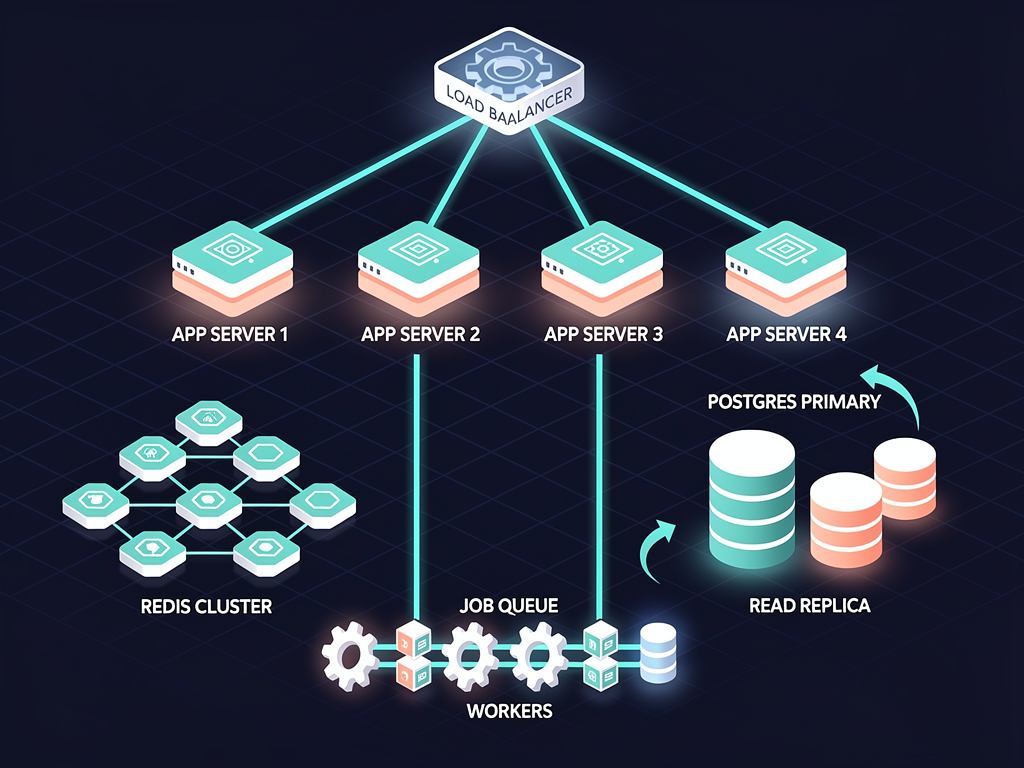
Caching strategies significantly impact application performance and infrastructure costs. Redis provides in-memory caching for frequently accessed data, session storage, and rate limiting. Content delivery networks cache static assets at edge locations worldwide, reducing latency for global users. Application-level caching using libraries like React Query minimizes redundant API calls while maintaining data freshness. Implementing these caching layers from the start prevents performance problems as traffic scales.
API design influences both developer experience and system scalability. RESTful APIs with consistent conventions enable straightforward integration and documentation. Rate limiting protects against abuse while ensuring fair resource allocation among tenants. Pagination prevents memory exhaustion when returning large datasets. Versioning strategies enable API evolution without breaking existing integrations. A well-designed SaaS starter kit includes these API patterns as foundational elements.
Background job processing handles tasks that should not block user requests. Email delivery, report generation, data imports, and webhook processing all benefit from asynchronous execution. Queue-based architectures using tools like BullMQ enable reliable job processing with retry logic, priority scheduling, and progress tracking. Building this infrastructure from scratch requires substantial effort, while pre-built solutions provide immediate capability.
Monetization Strategies and Billing Integration
Revenue generation capabilities determine whether a SaaS platform becomes a sustainable business or an expensive hobby. Billing integration complexity often surprises developers who underestimate the edge cases involved in subscription management. Comprehensive billing solutions address these challenges while enabling diverse monetization strategies.
Subscription-based pricing remains the most common SaaS monetization model. Monthly and annual billing cycles provide predictable revenue while annual discounts incentivize longer commitments. Tiered pricing with feature differentiation enables market segmentation, capturing value from both price-sensitive users and enterprise customers willing to pay for advanced capabilities. Free tiers or trials reduce friction during customer acquisition while establishing usage patterns that inform upgrade timing.
Usage-based pricing aligns costs with value delivered, particularly for platforms where consumption varies significantly between users. Metered billing tracks specific actions or resources, charging customers based on actual usage rather than flat subscription fees. Hybrid models combine base subscriptions with usage-based components, providing revenue predictability while capturing upside from heavy users. Implementing accurate usage tracking and billing calculations requires careful attention to edge cases and audit trails.
For platforms enabling users to build and monetize their own applications, payment passthrough creates additional revenue opportunities. Platform operators can take percentage fees on transactions processed through user-created applications, creating aligned incentives where platform success correlates with user success. Stripe Connect provides infrastructure for these marketplace-style payment flows, handling complex requirements like split payments, delayed transfers, and international compliance.
Billing portal functionality enables customers to manage their own subscriptions without support intervention. Plan changes, payment method updates, invoice access, and usage monitoring should all be self-service. Dunning management automatically handles failed payments through retry logic, customer notifications, and graceful degradation of service. These capabilities reduce support burden while improving revenue recovery from payment failures.
A Next.js starter kit with comprehensive billing integration saves weeks of development time while providing tested solutions for common billing scenarios. Integration with Stripe's customer portal, webhook handling for subscription events, and database synchronization for billing state all require careful implementation that benefits from existing solutions.
Email Marketing and Communication Systems
Effective communication with users drives engagement, retention, and revenue. SaaS platforms require multiple email categories, each with distinct requirements and best practices. Transactional emails confirm actions and deliver time-sensitive information. Marketing emails nurture leads and promote features. Notification emails alert users to relevant activity within the platform.
Transactional email infrastructure must prioritize deliverability and reliability. Password reset emails, account verification, and purchase confirmations require immediate delivery with high inbox placement rates. Services like Resend, SendGrid, or Postmark specialize in transactional email with features optimized for these use cases. Template systems enable consistent branding while allowing dynamic content insertion based on user context.
Marketing email capabilities enable platform operators to communicate with user segments about new features, educational content, and promotional offers. Campaign builders with visual editors simplify email creation for non-technical team members. List segmentation targets messages based on user attributes, behavior, or subscription status. Analytics track open rates, click rates, and conversion metrics to optimize future campaigns.
For multi-tenant platforms, email requirements extend to tenant-level communications. Tenant administrators may need to send emails to their own users, requiring either white-label email sending or clear attribution to the parent platform. Email quotas and rate limits prevent abuse while enabling legitimate use cases. Bounce handling and unsubscribe management maintain sender reputation across all platform communications.
Pre-built email templates for common SaaS scenarios accelerate launch timelines. Welcome sequences, trial expiration reminders, payment failure notifications, and feature announcements all follow established patterns that can be customized rather than created from scratch. A comprehensive SaaS template includes ten or more transactional email templates covering the most common user journey touchpoints.

Team Collaboration and Permission Systems
B2B SaaS products require robust team collaboration features that enable multiple users to work together effectively. Permission systems control access to sensitive functionality while enabling appropriate delegation. The complexity of these systems often exceeds initial estimates, making pre-built solutions particularly valuable.
Role-based access control defines permission sets associated with named roles rather than individual users. Common roles include owner, administrator, editor, and viewer, each with progressively restricted capabilities. Platform-level roles govern access to system administration, while tenant-level roles control access within specific workspaces. This hierarchical model supports complex organizational structures without requiring individual permission assignments.
Invitation workflows enable existing team members to add colleagues to shared workspaces. Email invitations with secure tokens prevent unauthorized access while providing convenient onboarding. Pending invitation management allows administrators to revoke invitations before acceptance. Automatic role assignment based on email domain simplifies onboarding for organizations with many team members.
Activity logging creates audit trails showing who performed which actions and when. Compliance requirements in regulated industries mandate detailed logging of data access and modifications. Even without regulatory requirements, activity logs help administrators understand usage patterns, investigate issues, and maintain accountability. Log retention policies balance storage costs against audit requirements.
Team management interfaces enable administrators to view team members, modify roles, and remove access when necessary. Bulk operations support efficient management of large teams. Integration with identity providers through SAML or OIDC enables enterprise single sign-on, a requirement for many corporate customers. These enterprise features often differentiate premium pricing tiers.
Building comprehensive team collaboration features from scratch requires substantial development investment. Permission checking must be implemented consistently across all protected resources. Invitation flows involve email delivery, token management, and state transitions. Activity logging adds overhead to every protected operation. A quality starter solution provides these capabilities with five or more permission levels ready for customization.
Content Management and SEO Optimization
Content marketing drives organic traffic that reduces customer acquisition costs over time. SaaS platforms benefit from integrated blogging capabilities that enable publishing without external tools. SEO optimization ensures that content reaches target audiences through search engine visibility.
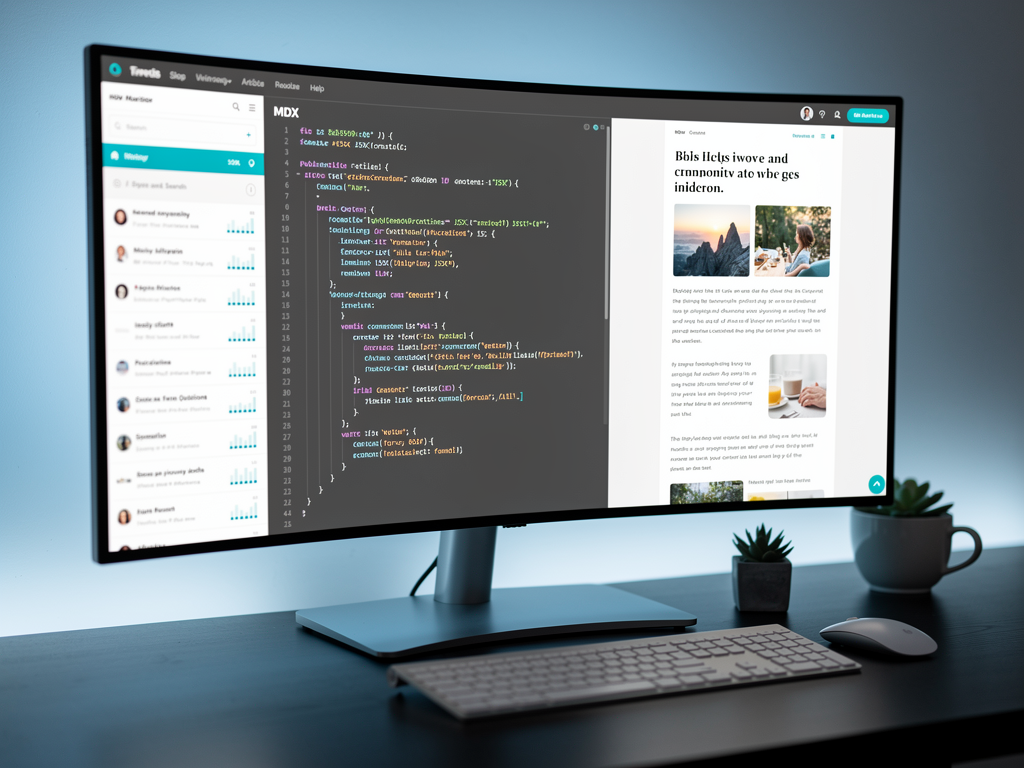
MDX-based blogging combines Markdown simplicity with React component capabilities. Authors write content in familiar Markdown syntax while embedding interactive components, code examples, and custom visualizations. Static generation at build time produces fast-loading pages that search engines favor. Frontmatter metadata enables structured data for titles, descriptions, publication dates, and categorization.
SEO optimization extends beyond content to technical implementation. Semantic HTML structure helps search engines understand page content and hierarchy. Meta tags control how pages appear in search results. Open Graph tags optimize social media sharing. Structured data markup enables rich snippets that increase click-through rates. Sitemap generation ensures search engines discover all published content.
For platforms targeting organic growth, SEO capabilities represent essential infrastructure rather than optional features. The compounding nature of content marketing means that early investment in SEO-optimized publishing pays dividends over time. Platforms like SeoSmart demonstrate how AI-powered content creation combined with automated publishing can accelerate organic growth through consistent, optimized content production.
Internal linking strategies improve both user experience and search engine rankings. Related content suggestions keep visitors engaged while distributing page authority throughout the site. Automatic link insertion based on keyword matching reduces manual effort while maintaining consistent internal linking. Analytics integration tracks content performance to inform future publishing decisions.
Affiliate Programs and Growth Mechanisms
Affiliate programs leverage existing users and partners to drive new customer acquisition. Commission-based incentives align affiliate interests with platform growth while providing measurable return on marketing investment. Implementing affiliate tracking requires careful attention to attribution, fraud prevention, and payment processing.
Attribution tracking connects new signups to the affiliates who referred them. Cookie-based tracking stores affiliate identifiers in visitor browsers, crediting conversions that occur within attribution windows. First-touch and last-touch attribution models determine which affiliate receives credit when multiple touchpoints exist. Coupon codes provide attribution without cookies, useful for podcast advertising and other offline channels.
Commission structures vary based on business model and margin considerations. Percentage-of-revenue commissions align affiliate incentives with long-term customer value. Fixed bounties per signup simplify calculations but may attract low-quality referrals. Tiered commissions reward high-performing affiliates with increased rates. Recurring commissions on subscription revenue incentivize affiliates to refer customers who remain active over time.
Fraud prevention protects against self-referral, cookie stuffing, and other abuse patterns. IP address analysis identifies suspicious signup patterns. Minimum payout thresholds reduce administrative overhead while discouraging low-value fraud. Manual review processes for high-value commissions add human judgment to automated systems. Clear terms of service establish expectations and provide grounds for commission denial when violations occur.
Affiliate dashboards provide partners with visibility into their performance. Click tracking shows traffic volume and conversion rates. Earnings summaries display pending and paid commissions. Marketing materials including banners, email templates, and social media content simplify promotional efforts. Payment history and tax documentation support affiliate financial management.
Built-in affiliate program functionality eliminates the need for third-party affiliate management services that charge percentage fees on commissions paid. This integration reduces costs while providing seamless user experience for both affiliates and administrators. Customization options enable branding consistency and program-specific rules.
Development Workflow and Deployment Automation
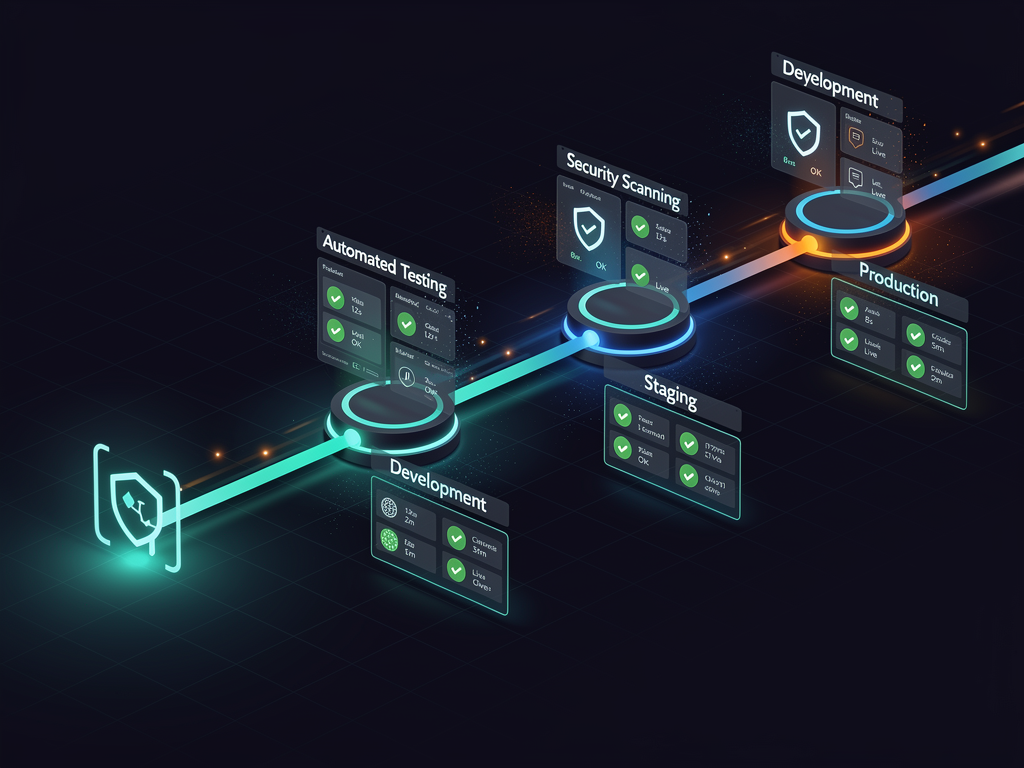
Efficient development workflows enable rapid iteration without sacrificing code quality. Continuous integration and deployment pipelines automate testing and release processes. Local development environments that closely mirror production reduce environment-specific bugs and deployment surprises.
Git-based workflows provide version control, collaboration, and deployment triggers. Feature branches isolate work in progress from stable code. Pull request reviews enable code quality checks before merging. Protected branches prevent direct pushes to production code. Commit hooks enforce linting, formatting, and test requirements before code enters the repository.
Automated testing catches regressions before they reach production. Unit tests verify individual function behavior. Integration tests confirm that components work together correctly. End-to-end tests simulate user interactions to validate complete workflows. Test coverage metrics identify undertested code areas requiring additional attention. Continuous integration services run test suites automatically on every commit.
Deployment automation reduces manual effort and human error in release processes. Environment variables manage configuration differences between development, staging, and production. Database migrations apply schema changes consistently across environments. Rollback capabilities enable quick recovery from problematic deployments. Blue-green deployments eliminate downtime during releases by switching traffic between parallel environments.
Monitoring and alerting provide visibility into production system health. Error tracking services capture exceptions with context for debugging. Performance monitoring identifies slow queries, memory leaks, and resource constraints. Uptime monitoring detects outages and triggers alerts. Log aggregation enables searching across distributed system components. These observability tools prove essential for maintaining reliability as platforms scale.
Security Considerations for SaaS Platforms
Security vulnerabilities can destroy user trust and expose platforms to legal liability. Multi-tenant architectures face unique security challenges where breaches potentially affect all customers simultaneously. Implementing security best practices from the start prevents costly remediation and reputation damage.
Authentication security protects against unauthorized access. Password hashing using algorithms like bcrypt or Argon2 prevents credential exposure even if databases are compromised. Rate limiting on login attempts prevents brute force attacks. Account lockout policies add additional protection against automated attacks. Session management with secure cookies and appropriate expiration prevents session hijacking.
Data isolation between tenants represents the most critical security requirement for multi-tenant platforms. Row-level security policies in PostgreSQL enforce tenant boundaries at the database level. Application-level checks provide defense in depth against isolation failures. Regular security audits verify that tenant data cannot be accessed across boundaries. Penetration testing identifies vulnerabilities before malicious actors discover them.
Input validation and output encoding prevent injection attacks. SQL injection, cross-site scripting, and command injection all exploit insufficient input handling. Parameterized queries prevent SQL injection regardless of input content. Content security policies restrict script execution to trusted sources. Output encoding prevents stored XSS attacks from executing in victim browsers.
Infrastructure security encompasses server hardening, network configuration, and access control. Firewalls restrict network access to necessary ports. SSH key authentication replaces password-based server access. Automatic security updates patch known vulnerabilities. Secrets management keeps API keys and credentials out of source code. Encryption at rest and in transit protects data from interception and theft.
Compliance requirements vary by industry and geography. GDPR mandates specific data handling practices for European users. SOC 2 certification demonstrates security controls for enterprise customers. HIPAA compliance enables healthcare applications. Understanding applicable requirements early prevents architectural changes later. Pre-built solutions that address common compliance requirements accelerate certification processes.
Evaluating Starter Solutions and Boilerplates
The market offers numerous starter solutions claiming to accelerate SaaS development. Evaluating these options requires understanding both immediate needs and long-term implications. Not all boilerplates provide equal value, and poor choices can create technical debt that outweighs initial time savings.
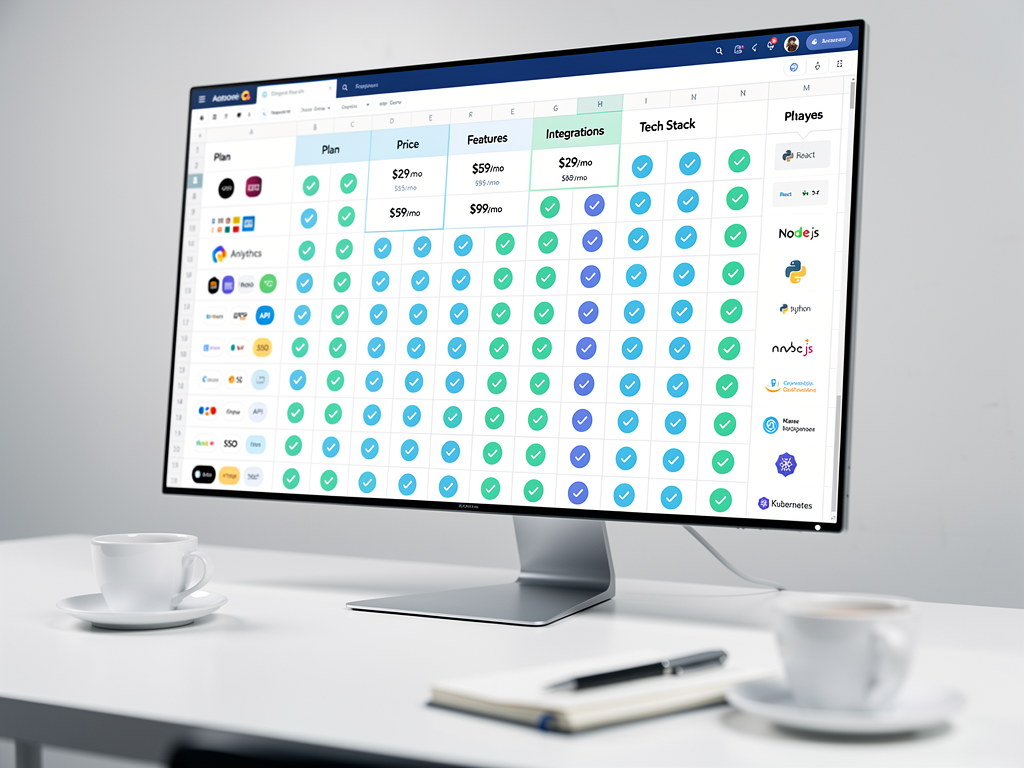
Feature completeness determines how much custom development remains after starting with a boilerplate. Authentication, billing, team management, and analytics represent table stakes for serious SaaS development. Multi-tenant support with custom domains differentiates platforms targeting no-code or white-label use cases. Email marketing, affiliate programs, and advanced permission systems add value for specific business models.
Code quality affects long-term maintainability. TypeScript usage provides type safety that catches errors during development. Consistent coding conventions enable team collaboration without style conflicts. Test coverage indicates reliability and facilitates confident refactoring. Documentation quality determines how quickly developers can understand and extend the codebase.
Architecture decisions embedded in boilerplates have lasting implications. Database schema design influences query performance and migration complexity. API patterns affect frontend development experience and third-party integrations. Component structure determines how easily interfaces can be customized. Choosing a boilerplate with sound architectural foundations prevents costly rewrites as platforms mature.
Community and support resources provide assistance when documentation falls short. Active development indicates ongoing maintenance and feature additions. Issue trackers reveal common problems and resolution patterns. Discord servers or forums enable peer support and knowledge sharing. Commercial support options provide guaranteed response times for critical issues.
Licensing terms govern how boilerplate code can be used and distributed. Some solutions restrict commercial use or require attribution. Others provide unlimited commercial rights with one-time purchases. Understanding licensing prevents legal complications and ensures alignment with business objectives.
Real-World Implementation Strategies
Translating boilerplate capabilities into production applications requires strategic planning and disciplined execution. The following strategies help teams maximize the value of rapid development approaches while avoiding common pitfalls.
Start with the core value proposition. Boilerplates provide commodity features, but differentiation comes from unique functionality. Identify the specific problem your platform solves and prioritize development of those features. Use pre-built authentication, billing, and team management without modification initially. Customize these systems only when specific requirements demand changes.
Validate before building. Launch minimal viable products quickly to test market assumptions. Pre-built features enable functional products without extensive custom development. Gather user feedback before investing in advanced functionality. Pivot based on actual usage patterns rather than assumptions. The rapid development approach enables multiple validation cycles within traditional development timelines.
Plan for iteration. Initial launches rarely represent final products. Architecture decisions should accommodate future changes without requiring complete rewrites. Database schemas should include flexibility for additional fields and relationships. API designs should support versioning for backward compatibility. Component structures should enable customization without forking core code.
Invest in developer experience. Rapid development continues beyond initial launch. Local development environments should provide fast feedback loops. Documentation should explain both what code does and why architectural decisions were made. Onboarding processes should enable new team members to contribute quickly. These investments compound over time as teams grow and codebases mature.
Monitor and optimize continuously. Production visibility enables data-driven improvement. Track key metrics including page load times, API response times, and error rates. Identify performance bottlenecks through profiling and monitoring. Address issues proactively before they affect user experience. Establish alerting thresholds that balance sensitivity against alert fatigue.
The Future of Rapid SaaS Development
The rapid development landscape continues evolving as new tools and approaches emerge. Understanding these trends helps teams make forward-looking technology decisions that remain relevant as the ecosystem matures.
AI-assisted development accelerates coding tasks through intelligent suggestions and automated generation. Tools like GitHub Copilot and Cursor provide context-aware code completion that reduces typing and catches errors. AI-powered debugging identifies issues and suggests fixes. Natural language interfaces enable non-developers to describe desired functionality in plain English. These capabilities amplify developer productivity while maintaining code quality.
Edge computing moves application logic closer to users, reducing latency and improving performance. Edge functions execute at CDN locations worldwide, enabling personalized responses without round trips to origin servers. Edge databases provide low-latency data access for geographically distributed users. These architectural patterns become increasingly accessible through framework integrations and managed services.
Composable architectures enable mixing best-of-breed services rather than relying on monolithic platforms. Headless CMS systems separate content management from presentation. Specialized authentication services handle identity complexity. Payment platforms manage billing intricacies. API-first designs enable these integrations while maintaining flexibility to swap components as needs evolve.
The democratization of development continues as tools become more accessible. No-code and low-code platforms enable non-developers to build functional applications. Visual development environments provide graphical interfaces for complex logic. Pre-built templates and components reduce the expertise required for professional results. This trend creates opportunities for developers who build the platforms that empower others.

Conclusion
Rapid web application development has transformed from aspiration to reality. The combination of mature frameworks, comprehensive boilerplates, and streamlined deployment tools enables teams to build production-ready SaaS platforms in days rather than months. This acceleration does not require sacrificing quality, security, or scalability when proper foundations are chosen.
Multi-tenant architecture, custom domain support, and no-code capabilities represent the frontier of SaaS platform development. These features enable platforms that empower users to build their own applications, creating compounding value and strong competitive moats. The technical complexity involved makes pre-built solutions particularly valuable, saving hundreds of development hours while providing battle-tested implementations.
Success in rapid SaaS development requires strategic thinking alongside technical execution. Choosing the right technology stack, evaluating boilerplate options carefully, and planning for iteration all contribute to positive outcomes. The goal is not merely building quickly but building quickly on foundations that support long-term growth and evolution.
The market opportunity for SaaS platforms continues expanding as digital transformation accelerates across industries. Teams that can move quickly, validate assumptions efficiently, and iterate based on user feedback will capture disproportionate value. Rapid development approaches provide the velocity needed to compete in this dynamic environment while maintaining the quality standards that sustainable businesses require.
Frequently Asked Questions
How Long Does It Actually Take to Build a SaaS Platform Using Rapid Development Approaches?
Timeline expectations vary based on platform complexity and team experience, but realistic estimates for launching a functional multi-tenant SaaS platform range from one to four weeks when starting with a comprehensive boilerplate. This timeline assumes the core differentiating features require moderate custom development while commodity functionality like authentication, billing, and team management comes pre-built. Teams with prior experience in the chosen technology stack typically achieve faster results. The initial launch represents a minimum viable product rather than a feature-complete platform, with ongoing development adding capabilities based on user feedback. Comparison to traditional development approaches shows time savings of 60% to 80% for equivalent functionality, translating to months of reduced development time and corresponding cost savings.
What Are the Most Critical Features to Look for in a SaaS Boilerplate?
Essential features for serious SaaS development include robust authentication supporting multiple providers and role-based access control, billing integration with subscription management and usage tracking, multi-tenant architecture with proper data isolation, and team collaboration with configurable permission levels. For platforms targeting no-code or white-label use cases, custom domain support with automatic SSL provisioning becomes critical. Secondary but valuable features include email marketing capabilities, affiliate program infrastructure, analytics dashboards, and SEO-optimized content management. Code quality indicators like TypeScript usage, test coverage, and documentation quality predict long-term maintainability. Evaluate licensing terms carefully to ensure alignment with commercial objectives and distribution plans.
Can Self-Hosted Deployments Really Match Managed Platform Performance?
Self-hosted deployments can absolutely match and sometimes exceed managed platform performance when properly configured. Modern deployment tools like Coolify provide automated SSL management, zero-downtime deployments, and database provisioning comparable to managed services. Infrastructure providers like Hetzner offer dedicated servers with predictable performance characteristics that avoid the noisy neighbor problems common in shared cloud environments. The key requirements include implementing proper caching strategies, configuring CDN distribution for static assets, and establishing monitoring and alerting for proactive issue detection. Teams should budget time for initial setup and ongoing maintenance, though this investment typically pays for itself within months through reduced hosting costs. Enterprise-level platforms running on self-hosted infrastructure commonly achieve sub-100ms response times globally.
How Do Multi-Tenant Platforms Handle Data Security Between Customers?
Multi-tenant data security relies on multiple layers of protection working together. At the database level, row-level security policies enforce tenant boundaries regardless of application logic, preventing accidental data leakage through coding errors. Application-level middleware validates tenant context on every request, ensuring users can only access resources belonging to their tenant. API design includes tenant identifiers in request validation, rejecting requests that attempt cross-tenant access. Regular security audits and penetration testing verify isolation effectiveness. Encryption at rest protects data if storage media is compromised, while encryption in transit prevents interception during network communication. Logging and monitoring detect anomalous access patterns that might indicate security issues. These combined measures provide defense in depth that satisfies enterprise security requirements and compliance frameworks.
What Monetization Strategies Work Best for No-Code Platform Businesses?
Successful no-code platforms typically employ tiered subscription pricing combined with usage-based components. Base tiers provide limited applications, team members, or storage, with higher tiers removing these constraints. Usage-based charges for compute resources, API calls, or data transfer capture value from power users without pricing out smaller customers. Transaction fees on payments processed through user-created applications create aligned incentives where platform success correlates with user success. Premium features like custom domains, white-labeling, and priority support differentiate enterprise tiers commanding higher prices. Free tiers or trials reduce acquisition friction while establishing usage patterns that inform upgrade timing. Annual billing discounts improve cash flow and reduce churn. The specific mix depends on target market characteristics, competitive positioning, and margin requirements.
How Should Teams Approach Customizing Boilerplate Code Without Creating Maintenance Problems?
Sustainable customization strategies preserve the ability to incorporate upstream improvements while adding platform-specific functionality. Extension over modification represents the primary principle: add new components and modules rather than editing core boilerplate code whenever possible. When modifications are necessary, document changes thoroughly and consider contributing improvements back to the original project. Establish clear boundaries between boilerplate code and custom code through directory structure and naming conventions. Use configuration options and environment variables to customize behavior without code changes. Create abstraction layers that isolate custom logic from boilerplate internals, reducing coupling that complicates future updates. Regular dependency updates maintain security and access to new features while automated testing catches regressions introduced by updates. These practices enable teams to benefit from ongoing boilerplate development while building differentiated platforms.
Start Building Your Multi-Tenant SaaS Platform Today
Ready to transform your SaaS idea into reality? NextBuilder provides the complete foundation for building multi-tenant no-code platforms in days, not months. With custom domains, SSL automation, dual authentication systems, and comprehensive billing integration already built, you can focus on what makes your platform unique. Join the growing community of founders who have saved 600+ hours of development time and launched successful platforms on enterprise-grade infrastructure. View the demo and start building today.
Subscribe to our newsletter
Subscribe to our newsletter and stay up-to-date with the latest news and updates.