Choosing the Best Next.js SaaS Boilerplate for Multi-Tenant Apps
Discover how to select the right Next.js SaaS boilerplate to accelerate your multi-tenant app development. Learn about key features like data isolation, custom domain support, and role-based access control that can save months of foundational work and ensure scalability and security for your platform.

Zakariae

Building a multi-tenant SaaS application from scratch typically consumes four to six months of foundational development before you write a single line of product-specific code. Authentication systems, subscription billing, team management, role-based permissions, and tenant isolation represent table-stakes infrastructure that every SaaS platform requires. For founders and development teams targeting the US market in 2026, selecting the right nextjs saas boilerplate can compress that timeline from months to days, letting you focus on the features that differentiate your product rather than reinventing well-established patterns.
The challenge lies not in finding options but in evaluating them against your specific requirements. Multi-tenant architectures introduce complexity that single-tenant applications never encounter: data isolation between customers, per-tenant billing configurations, custom domain support, and granular permission systems that scale across organizations. A boilerplate optimized for simple B2C applications may actively hinder a B2B platform where team collaboration and organizational hierarchies form the core experience. This guide walks you through the evaluation criteria, technical considerations, and decision frameworks that separate successful boilerplate selections from costly missteps.
Key Takeaways
- Multi-tenancy depth varies dramatically between boilerplates, ranging from basic team support to full organizational hierarchies with role-based access control and per-tenant billing.
- Database architecture decisions made by your chosen boilerplate (shared database with tenant IDs versus isolated schemas) have long-term scaling and compliance implications.
- Authentication complexity in multi-tenant systems requires dual auth flows: platform-level users and app-level members with different permission structures.
- Custom domain and SSL support separates enterprise-ready boilerplates from those designed for simpler use cases.
- Self-hosting capabilities can reduce monthly infrastructure costs from hundreds of dollars to under twenty dollars for early-stage startups.
- AI-coding readiness (AGENTS.md files, clean TypeScript, modular architecture) accelerates development velocity when using tools like Cursor or Claude.
- Licensing terms matter more than initial price when building a product you intend to sell or white-label to clients.

Understanding Multi-Tenancy in SaaS Applications
Multi-tenancy refers to a software architecture where a single instance of an application serves multiple customers (tenants), with each tenant's data logically or physically isolated from others. This model powers the majority of modern SaaS applications, from project management tools to CRM systems to no-code platforms. Understanding the spectrum of multi-tenancy implementations helps you evaluate whether a boilerplate's approach matches your product requirements.
At the simplest level, multi-tenancy means adding a tenant_id column to database tables and filtering queries accordingly. This shared-database approach maximizes resource efficiency but requires careful attention to query construction to prevent data leakage between tenants. More sophisticated implementations use schema-per-tenant isolation within a single database, providing stronger separation while maintaining operational simplicity. Enterprise-grade systems may implement database-per-tenant isolation, offering the strongest security guarantees at the cost of increased infrastructure complexity.
For founders building no-code platforms, app builders, or white-label solutions, multi-tenancy extends beyond database isolation. Your tenants (clients) will have their own users (members), creating a hierarchical permission structure. A marketing agency using your platform needs to manage their own team members without accessing other agencies' data or users. This dual-layer authentication requirement, where platform users and app members represent distinct entities with different permission models, distinguishes true multi-tenant boilerplates from those that simply support team features.
The NextBuilder platform architecture exemplifies this distinction by implementing separate authentication flows for platform administrators and the end-users of applications built on the platform. This separation enables clients to manage their own member bases while platform operators maintain oversight and billing relationships at the organizational level.
Critical Evaluation Criteria for Multi-Tenant Boilerplates
Not all boilerplates claiming multi-tenancy support deliver equivalent functionality. The following criteria separate production-ready solutions from those that will require substantial customization before handling real-world multi-tenant workloads.
Organizational Hierarchy and Team Management
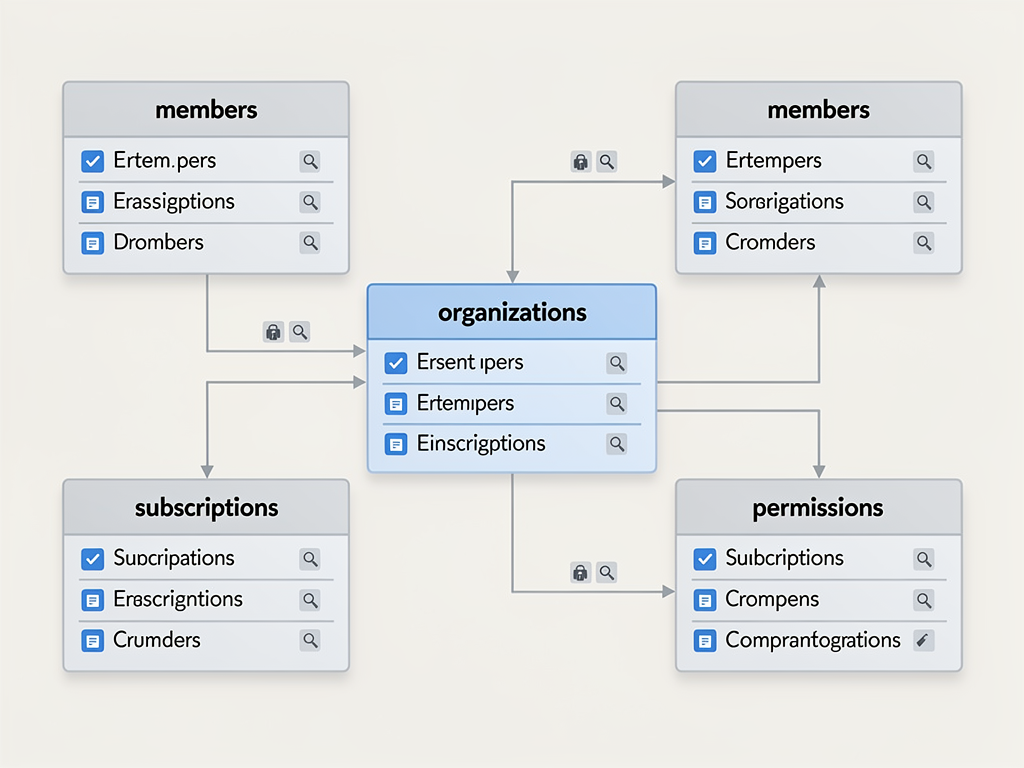
Examine how the boilerplate models organizations, teams, and members. A robust implementation includes organization creation flows, member invitation systems with email verification, role assignment interfaces, and the ability to transfer ownership. Shallow implementations may support a single team per user account, which breaks down when your customers need to manage multiple projects or client relationships within your platform.
Role-Based Access Control Depth
RBAC systems range from simple admin/member binaries to granular permission matrices. For B2B SaaS, you typically need at least five permission levels: owner (full control including billing and deletion), admin (member management and settings), editor (content modification), viewer (read-only access), and billing manager (payment methods without operational access). Evaluate whether the boilerplate's permission system matches your anticipated access control requirements or whether you will need to extend it significantly.
Per-Tenant Billing Configuration
Multi-tenant billing introduces complexity beyond simple subscription management. Your platform may need to support different pricing tiers per tenant, seat-based billing where costs scale with team size, usage-based billing for metered features, or hybrid models combining subscription and consumption charges. Verify that the boilerplate's Stripe (or alternative payment provider) integration supports the billing model your business requires.
Custom Domain and SSL Support
For platforms where tenants receive their own branded experience, custom domain support becomes essential. This feature requires DNS configuration interfaces, automated SSL certificate provisioning (typically via Let's Encrypt), and middleware that routes requests to the correct tenant based on hostname. Boilerplates lacking this capability will require substantial infrastructure work to add it later. The custom subdomain and SSL features in NextBuilder demonstrate how this functionality should work out of the box, with automatic certificate generation and renewal handling.
Data Isolation Guarantees
Review the boilerplate's approach to preventing cross-tenant data access. Look for query middleware that automatically applies tenant filters, API route protection that validates tenant membership before returning data, and test coverage specifically targeting isolation boundaries. A single missed filter in a database query can expose one customer's data to another, creating both legal liability and trust destruction.
Technology Stack Considerations for 2026
The Next.js ecosystem has evolved significantly, and boilerplates updated for 2026 reflect substantial changes from those released even eighteen months ago. Understanding current best practices helps you identify boilerplates that will remain maintainable versus those built on deprecated patterns.
Modern Next.js SaaS template implementations should use the App Router architecture introduced in Next.js 13 and refined through versions 14, 15, and 16. The legacy Pages Router, while still supported, lacks the streaming, suspense, and server component capabilities that define contemporary Next.js development. Boilerplates still using the Pages Router will feel increasingly dated and may complicate future upgrades.
For authentication, the ecosystem has consolidated around several mature options. NextAuth (Auth.js) provides a flexible, self-hosted solution with broad provider support. Better Auth has emerged as a modern alternative with cleaner TypeScript types and simpler configuration. Clerk offers a managed solution that reduces authentication complexity at the cost of vendor dependency and per-user pricing that can become expensive at scale. Evaluate which approach aligns with your operational preferences and cost structure.
Database tooling has similarly matured. Prisma remains the most widely adopted ORM with excellent TypeScript integration and migration tooling. Drizzle has gained significant traction for its SQL-like syntax and lighter runtime footprint. Both work well with PostgreSQL, the dominant database choice for SaaS applications. Verify that your chosen boilerplate uses one of these modern ORMs rather than raw SQL or legacy alternatives.
| Technology Layer | 2024 Standard | 2026 Best Practice | Considerations |
|---|---|---|---|
| Routing | Pages Router | App Router | Server components, streaming, layouts |
| Styling | Tailwind CSS 3 | Tailwind CSS 4 | Improved performance, new utilities |
| UI Components | Various libraries | shadcn/ui | Copy-paste ownership, full customization |
| ORM | Prisma | Prisma or Drizzle | Type safety, migration tooling |
| Authentication | NextAuth 4 | Auth.js v5 or Better Auth | Edge compatibility, improved security |
| State Management | Redux, Context | Zustand, React Query | Simpler APIs, better server integration |
Evaluating Authentication Architecture for Multi-Tenant Systems
Authentication in multi-tenant applications presents unique challenges that single-tenant systems never encounter. Your boilerplate must handle not just user login but organizational context, member permissions within organizations, and potentially separate authentication flows for different user types.
Consider a no-code platform where agencies build applications for their clients. The platform needs to authenticate agency employees (platform users) who access the builder interface. Simultaneously, the applications those agencies create need to authenticate end-users (app members) who interact with the finished products. These represent fundamentally different authentication contexts with different session requirements, permission models, and user data structures.
A SaaS boilerplate designed for multi-tenant applications should provide clear separation between these authentication layers. Look for distinct user and member models in the database schema, separate authentication endpoints for platform versus app access, and middleware that correctly identifies the authentication context based on request origin (main domain versus tenant subdomain).
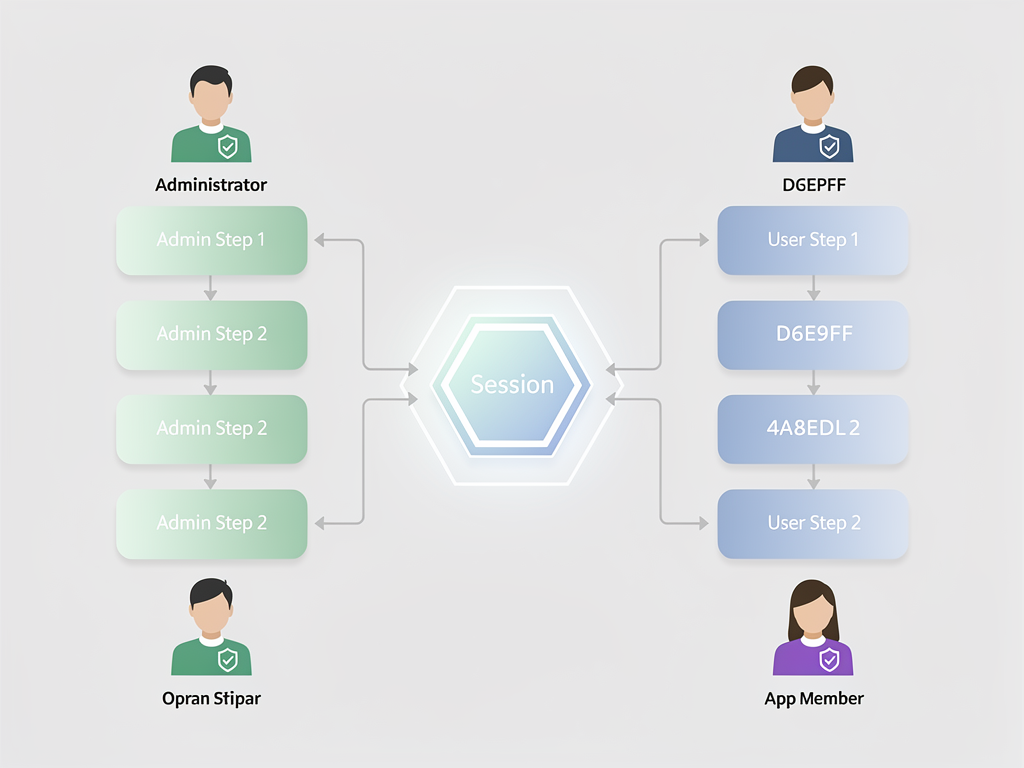
Session management adds another layer of complexity. Platform administrators may need persistent sessions for convenience, while app members might require stricter session timeouts for security compliance. The boilerplate should support configurable session policies that can differ between authentication contexts and potentially between tenants based on their security requirements.
Social login integration (Google, GitHub, Microsoft) requires careful handling in multi-tenant contexts. When a user authenticates via Google, the system must determine which organization they belong to and whether they are accessing the platform or a specific tenant application. Boilerplates that treat social login as a simple addition to email/password authentication often fail to address these organizational binding questions adequately.
Billing and Monetization Patterns
The billing architecture embedded in your chosen boilerplate shapes what monetization strategies you can implement without significant custom development. Multi-tenant platforms typically require more sophisticated billing than simple subscription models.
Seat-based billing charges tenants based on the number of team members they add. This model aligns costs with value (more users means more value extracted from the platform) but requires the boilerplate to track member counts, enforce limits, and handle proration when seats are added or removed mid-billing-cycle. Verify that the Stripe integration supports subscription item quantities and automatic proration.
Usage-based billing charges based on consumption metrics: API calls, storage used, applications created, or custom events. This model requires metering infrastructure that tracks usage per tenant, aggregates it for billing periods, and reports it to Stripe for invoicing. Few boilerplates include robust metering out of the box, so evaluate whether the architecture supports adding metering without major refactoring.
Tiered feature access restricts functionality based on subscription level. Free tenants might create three applications while enterprise tenants create unlimited applications. This requires a feature flag system that checks subscription status before enabling capabilities. Look for boilerplates with built-in feature gating rather than those that leave this entirely to custom implementation.
For platforms enabling tenants to monetize their own applications, the billing architecture becomes even more complex. Your platform might take a percentage of payments processed through tenant applications, requiring Stripe Connect integration with platform fees. This capability separates enterprise-ready boilerplates from those designed for simpler use cases.
Infrastructure and Deployment Considerations
Where and how you deploy your multi-tenant application affects both cost structure and operational complexity. Boilerplates vary significantly in their deployment assumptions and the infrastructure knowledge they require.
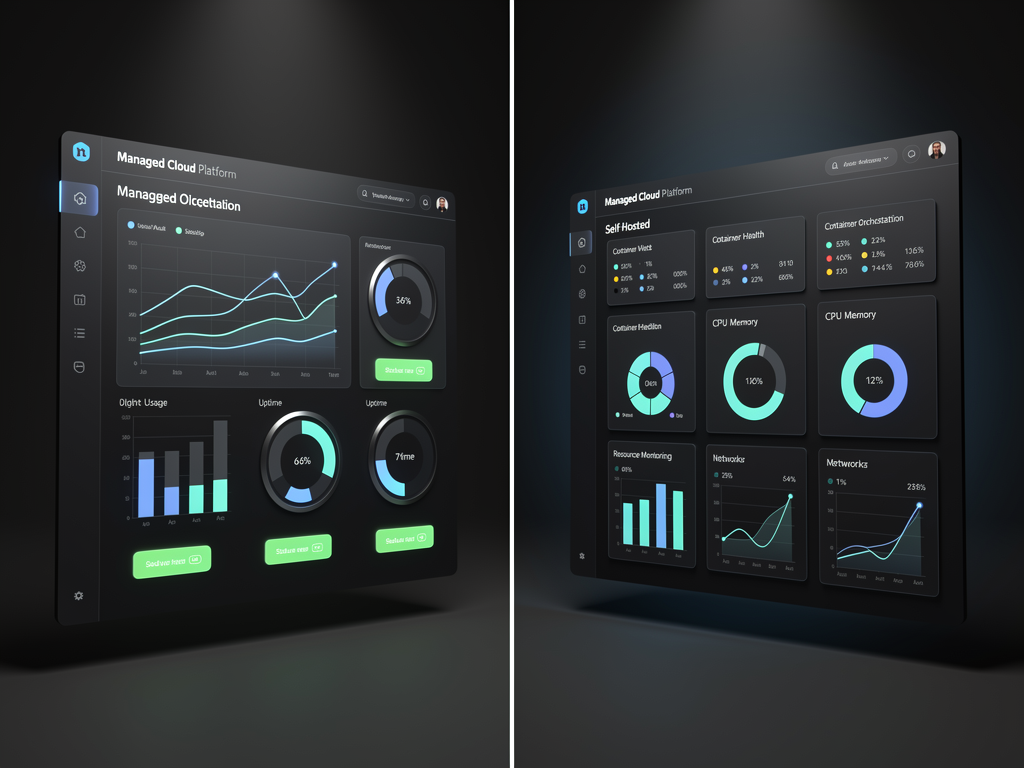
Vercel deployment represents the path of least resistance for Next.js applications. The platform handles scaling, SSL, and edge distribution automatically. However, costs can escalate quickly for multi-tenant applications with high traffic or many serverless function invocations. A platform serving 50 tenants with moderate traffic might face monthly bills exceeding $500 on Vercel's pro tier.
Self-hosting options provide cost control at the expense of operational responsibility. Running your platform on a VPS provider like Hetzner or DigitalOcean can reduce infrastructure costs to $15-50 monthly for equivalent workloads. However, you assume responsibility for server maintenance, security updates, SSL certificate management, and scaling decisions. Boilerplates that include self-hosting guides significantly reduce the learning curve for this approach.
The NextBuilder documentation includes comprehensive self-hosting instructions for deploying on Hetzner with Coolify and Supabase, demonstrating how enterprise-level platforms can run on infrastructure costing under $20 monthly. This approach particularly benefits early-stage startups where every dollar of runway matters.
Database hosting decisions intersect with deployment strategy. Managed PostgreSQL services like Neon, Supabase, or PlanetScale simplify operations but add monthly costs. Self-hosted PostgreSQL on the same VPS as your application eliminates database hosting fees but requires backup configuration and performance tuning knowledge. Evaluate whether your chosen boilerplate documents both approaches or assumes a specific hosting model.
Edge deployment capabilities matter for platforms serving geographically distributed tenants. Next.js middleware running at the edge can route requests to the correct tenant, check authentication status, and apply rate limiting before requests reach your origin server. Verify that the boilerplate's middleware architecture is edge-compatible if you anticipate needing this capability.
Developer Experience and Code Quality Indicators
A boilerplate's value extends beyond its feature set to how effectively you can work with and extend its codebase. Several indicators help predict whether a boilerplate will accelerate or hinder your development velocity.
TypeScript strictness reveals code quality commitment. Boilerplates using strict TypeScript configuration with no any types catch errors at compile time rather than runtime. Check the tsconfig.json for strict mode and examine sample code for type annotations. Loose TypeScript usage suggests corners cut elsewhere in the codebase.
Test coverage indicates production readiness. Multi-tenant applications have complex permission boundaries that require testing to verify. Look for unit tests covering authentication flows, integration tests verifying tenant isolation, and end-to-end tests exercising critical user journeys. Boilerplates without tests leave you responsible for verifying that core functionality works correctly.
Documentation quality predicts onboarding speed. Comprehensive documentation includes architecture overviews explaining how components interact, step-by-step setup guides, API references for included utilities, and customization guides for common modifications. Sparse documentation means more time reading source code and experimenting to understand intended usage patterns.
AI-coding readiness has become increasingly relevant as developers adopt tools like Cursor, GitHub Copilot, and Claude for code assistance. Boilerplates optimized for AI assistance include AGENTS.md files explaining codebase conventions, consistent naming patterns that AI models can learn from, and modular architecture that allows AI tools to work on isolated components without needing full codebase context.
Pro Tip: Before purchasing a premium boilerplate, clone any available demo repository and attempt to make a simple modification. The ease or difficulty of that first change predicts your ongoing development experience better than feature lists or marketing pages.
Comparing Premium Versus Free Boilerplate Options
The Next.js ecosystem offers both premium boilerplates (typically $150-600 one-time or subscription-based) and free open-source alternatives. Understanding what you gain and sacrifice with each approach helps make an informed decision.
Premium boilerplates typically provide more complete feature sets, professional documentation, ongoing updates, and sometimes direct support channels. For multi-tenant applications, premium options more often include the sophisticated organizational hierarchies, permission systems, and billing integrations that free alternatives lack. The $200-600 cost represents a fraction of the developer time required to implement equivalent functionality from scratch.
However, premium boilerplates vary in licensing terms. Some allow unlimited commercial projects while others restrict usage to a single product. Team licenses may be required when multiple developers work on the same codebase. White-labeling restrictions might prevent you from reselling the platform to clients. Read license agreements carefully before purchase, especially if building agency solutions or products you intend to sell.
Free open-source boilerplates provide transparency (you can review all code before committing), community contributions, and zero upfront cost. Projects like the official nextjs/saas-starter from the Vercel team or ixartz/SaaS-Boilerplate with over 7,000 GitHub stars offer solid foundations. However, free options often require more customization for multi-tenant use cases and may lack the polish of commercial alternatives.

For serious multi-tenant platforms, the premium versus free decision often comes down to time-to-market priorities. A solo founder with limited runway might choose a premium boilerplate to launch faster, while a well-funded team with strong engineering resources might prefer customizing an open-source foundation to their exact specifications.
Common Pitfalls When Selecting a Multi-Tenant Boilerplate
Founders and development teams frequently make predictable mistakes when choosing boilerplates. Awareness of these pitfalls helps you avoid costly course corrections later in development.
Overweighting feature counts leads to selecting boilerplates with impressive checklists but poor implementation quality. A boilerplate claiming 50 features where each is minimally implemented provides less value than one with 20 deeply developed capabilities. Evaluate depth over breadth by examining how thoroughly the features you actually need are implemented.
Ignoring upgrade paths causes problems when Next.js releases major versions. Boilerplates maintained by active teams typically provide upgrade guides and updated releases within weeks of framework updates. Abandoned or infrequently updated boilerplates may lock you into outdated dependencies, creating security vulnerabilities and preventing access to new framework capabilities.
Underestimating customization effort occurs when teams assume boilerplate features will match their requirements exactly. Every SaaS product has unique aspects that require modification. Budget development time for customizing the boilerplate's authentication flows, permission models, and UI components to match your specific product requirements rather than assuming plug-and-play deployment.
Choosing based on demo aesthetics prioritizes visual polish over architectural quality. A beautiful demo site might hide a poorly structured codebase, while a utilitarian demo might represent exceptionally clean, maintainable code. Evaluate code quality directly rather than inferring it from marketing materials.
Neglecting community and support becomes problematic when you encounter issues. Premium boilerplates with active Discord communities, responsive maintainers, and regular updates provide resources for solving problems. Isolated projects without community support leave you dependent entirely on your own debugging capabilities.
Step-by-Step Evaluation Process
A systematic evaluation process helps compare boilerplate options objectively rather than making decisions based on marketing persuasiveness or feature list length.
Step 1: Define Your Multi-Tenancy Requirements
Document specifically what multi-tenancy means for your product. Will tenants have subdomains, custom domains, or both? How many permission levels do you need? Will tenants have their own users (requiring dual authentication)? What billing model will you implement? These requirements form your evaluation criteria.
Step 2: Create a Shortlist Based on Architecture Match
Eliminate boilerplates that fundamentally mismatch your requirements. If you need custom domain support and a boilerplate does not include it, the implementation effort likely exceeds the boilerplate's value. Aim for a shortlist of three to five candidates that architecturally align with your needs.
Step 3: Evaluate Code Quality Directly
For each shortlisted option, examine the actual codebase. Check TypeScript configuration, review database schema design, trace an authentication flow through the code, and assess test coverage. This hands-on evaluation reveals quality that documentation and demos cannot convey.
Step 4: Prototype a Critical Feature
Select the most important custom feature your product requires and attempt to implement it in each shortlisted boilerplate. This exercise reveals how the codebase responds to modification, whether documentation supports customization, and how much friction you will encounter during actual development.
Step 5: Assess Total Cost of Ownership
Calculate costs beyond the initial purchase price. Include hosting costs for the boilerplate's recommended infrastructure, any required third-party services (authentication providers, email services, monitoring tools), and estimated development time for customization. A cheaper boilerplate requiring expensive infrastructure or extensive modification may cost more overall than a premium option with lower operational overhead.
Specialized Considerations for No-Code Platform Builders
Founders building no-code platforms, app builders, or similar tools where clients create their own applications face additional boilerplate requirements beyond standard multi-tenant SaaS needs.
Application data modeling must support arbitrary structures defined by tenants. Your platform might allow clients to create custom databases, forms, or workflows. The boilerplate's data layer should accommodate this flexibility, potentially through JSON columns, dynamic schema generation, or integration with flexible backend services.
Subdomain and custom domain routing becomes essential when each tenant's applications need distinct URLs. The boilerplate must handle wildcard subdomains (*.yourplatform.com), custom domain verification, and SSL certificate provisioning for custom domains. This infrastructure is complex to implement from scratch and represents significant value when included.
The NextBuilder platform specifically targets this use case, providing the multi-tenant architecture, custom domain support, and dual authentication systems that no-code platform builders require. Rather than adapting a general-purpose SaaS boilerplate, using a foundation designed for platform building eliminates substantial customization effort.
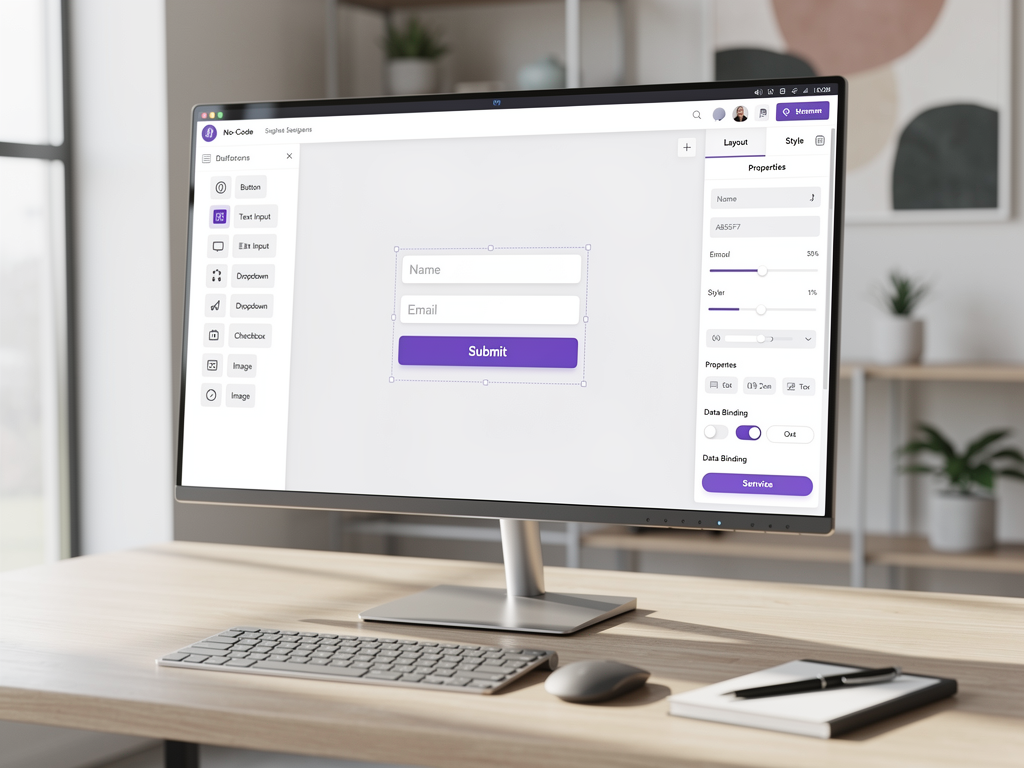
Member management within tenant applications requires the dual authentication architecture discussed earlier. Your platform authenticates clients (who build applications), while those applications authenticate end-users (who use the built applications). This hierarchical structure must be baked into the boilerplate's architecture rather than bolted on afterward.
White-label capabilities allow tenants to present applications under their own branding without reference to your platform. This requires configurable themes, removable platform branding, and potentially custom email templates sent from tenant domains. Evaluate whether the boilerplate supports this level of customization or assumes platform branding will always be visible.
Future-Proofing Your Boilerplate Selection
Technology choices made today constrain options available tomorrow. Selecting a boilerplate with longevity in mind reduces the risk of painful migrations as your platform scales.
Framework alignment with Next.js development direction matters. Boilerplates using App Router, Server Components, and Server Actions align with where the framework is heading. Those relying heavily on client-side patterns or legacy APIs may require significant refactoring as Next.js continues evolving.
Database abstraction through ORMs like Prisma or Drizzle provides flexibility to change database providers if needed. Boilerplates with raw SQL queries tightly coupled to specific database features create migration difficulties. While you may never need to switch databases, the option provides valuable flexibility.
Authentication provider flexibility protects against vendor lock-in. Boilerplates using self-hosted authentication (NextAuth, Better Auth) allow switching providers or running your own infrastructure. Those tightly integrated with specific managed providers (Clerk, Auth0) may face cost or capability constraints as you scale.
Modular architecture enables replacing individual components without rewriting the entire application. Well-designed boilerplates separate concerns clearly: authentication, billing, database access, and UI components should be independently modifiable. Tightly coupled architectures where changes ripple unpredictably through the codebase indicate technical debt that will compound over time.
Active maintenance signals continued relevance. Check commit history, release frequency, and issue response times. Boilerplates with recent updates, regular releases, and engaged maintainers will adapt to ecosystem changes. Stale projects, regardless of initial quality, become liabilities as dependencies age and security vulnerabilities accumulate.
Real-World Implementation Workflow
After selecting a boilerplate, a structured implementation workflow helps you move from download to deployed product efficiently.
Week 1: Environment Setup and Exploration
- Configure development environment with all required services (database, email, payment provider sandbox)
- Deploy the unmodified boilerplate to a staging environment to verify infrastructure compatibility
- Walk through every user flow in the demo to understand existing functionality
- Read all documentation and examine key code paths
Week 2: Core Customization
- Modify branding, colors, and UI components to match your product identity
- Adjust database schema for your specific data requirements
- Configure authentication providers and permission levels
- Set up billing products and pricing in your payment provider
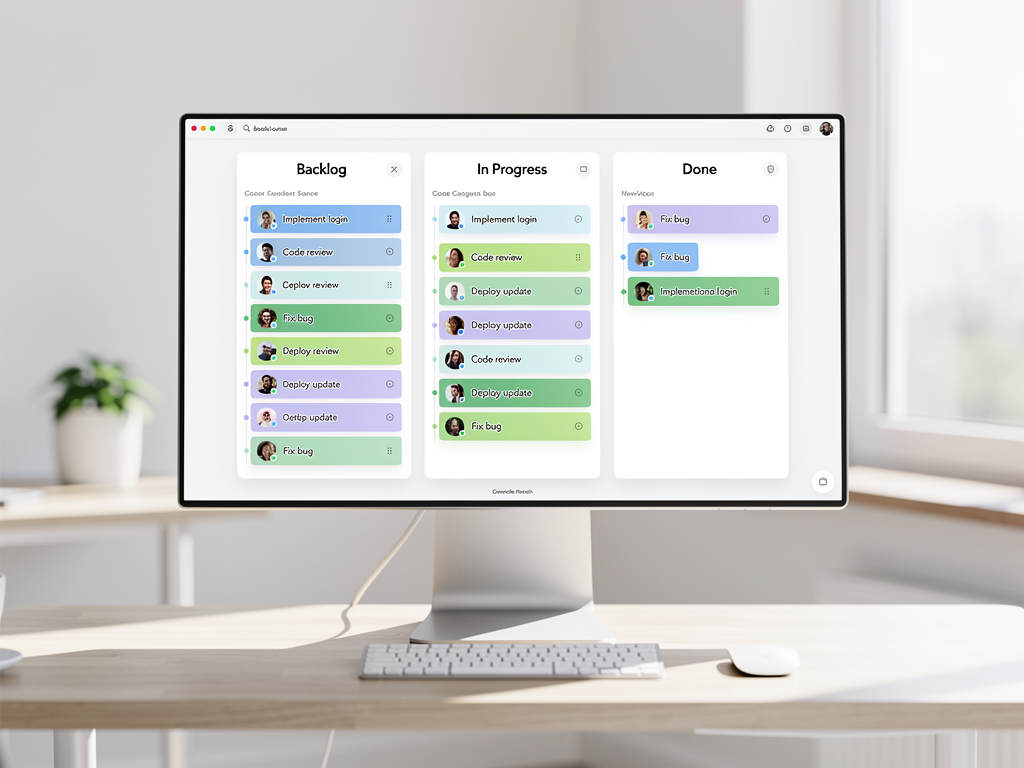
Week 3-4: Feature Development
- Implement product-specific features that differentiate your platform
- Build tenant-facing functionality unique to your use case
- Develop admin tools for platform management
- Create onboarding flows optimized for your target users
Week 5: Testing and Hardening
- Write tests for custom functionality and critical user paths
- Verify tenant isolation through explicit cross-tenant access attempts
- Load test to identify performance bottlenecks
- Security audit focusing on authentication and authorization boundaries
Week 6: Launch Preparation
- Configure production environment with appropriate scaling
- Set up monitoring, alerting, and error tracking
- Prepare customer support documentation
- Execute soft launch with initial customers
Cost Analysis Framework
Understanding the full cost picture helps justify boilerplate investments to stakeholders and plan budgets accurately.
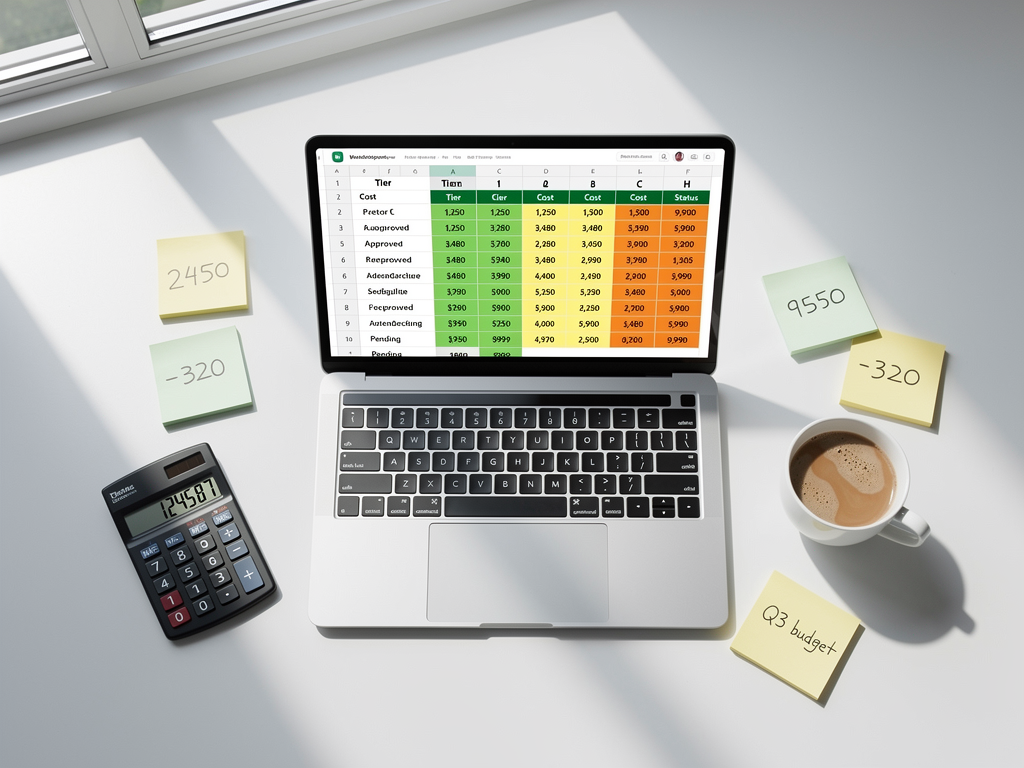
Development time savings represent the primary value proposition. A multi-tenant boilerplate with authentication, billing, team management, and admin dashboards might save 400-600 hours of development time. At US market rates of $100-200 per hour for senior developers, this translates to $40,000-120,000 in equivalent development cost. A $300-600 boilerplate purchase represents extraordinary return on investment.
Ongoing infrastructure costs vary dramatically based on deployment choices. Vercel deployment might cost $20-500 monthly depending on usage. Self-hosted deployment on Hetzner with Coolify can run under $20 monthly for equivalent workloads. Factor these ongoing costs into your financial projections.
Third-party service costs add up across authentication providers, email services, monitoring tools, and payment processor fees. Some boilerplates assume specific paid services while others work with free tiers or self-hosted alternatives. Map out which services each boilerplate requires and their associated costs at your projected scale.
Opportunity cost of delays often exceeds direct costs. Launching two months earlier might mean two additional months of customer acquisition, revenue generation, and market learning. When evaluating whether to build custom infrastructure versus using a boilerplate, factor in the revenue and learning you forgo during extended development timelines.
Integration Ecosystem Considerations
Modern SaaS applications rarely operate in isolation. Your boilerplate's integration capabilities affect how easily you can connect with the broader software ecosystem your customers use.
Email service integration enables transactional emails (welcome messages, password resets, billing notifications) and marketing campaigns. Look for boilerplates supporting multiple providers (Resend, SendGrid, Postmark, AWS SES) rather than those locked to a single service. The ability to switch providers without code changes provides operational flexibility.
Analytics and monitoring integrations help you understand user behavior and system health. Boilerplates with pre-configured Sentry error tracking, PostHog analytics, or similar tools reduce the setup effort for essential observability. Those without monitoring integrations require additional work before you can effectively operate in production.
Storage service integration matters for platforms handling user uploads. Whether you need AWS S3, Cloudflare R2, or self-hosted MinIO, verify that the boilerplate's file handling architecture supports your preferred storage backend. Multi-tenant file storage requires careful permission management to prevent cross-tenant access.
For founders exploring comprehensive options, SaasCore offers a Next.js boilerplate with extensive integration options and multi-tenant support that may suit teams prioritizing ecosystem connectivity.
Making Your Final Decision
After thorough evaluation, the decision often comes down to matching boilerplate strengths with your specific priorities and constraints.
Choose a premium multi-tenant boilerplate when time-to-market matters most, your product requires sophisticated organizational hierarchies, and you have budget for upfront investment. The development time savings and reduced technical risk justify costs that seem high in isolation but represent tiny fractions of total product development investment.
Choose a free open-source boilerplate when you have strong engineering resources, your multi-tenancy requirements are relatively simple, or you need maximum flexibility for unconventional architectures. Be prepared to invest more development time in customization and accept that some features will require building from scratch.
Choose a specialized platform-building boilerplate like NextBuilder when your product specifically involves clients creating their own applications. General-purpose SaaS boilerplates require substantial modification for this use case, while purpose-built foundations provide the dual authentication, custom domain support, and application data modeling that platform builders need.
Conclusion
Selecting the right Next.js starter kit for multi-tenant applications requires balancing immediate needs against long-term scalability, evaluating code quality beyond feature checklists, and understanding the full cost picture including infrastructure and ongoing maintenance. The multi-tenant boilerplate landscape in 2026 offers options ranging from free open-source foundations to premium solutions with comprehensive feature sets and active support.
For founders building no-code platforms, app builders, or white-label SaaS solutions, the boilerplate decision shapes not just initial development speed but ongoing operational complexity. Features like custom domain support, dual authentication systems, and per-tenant billing configuration separate boilerplates designed for true multi-tenant platforms from those adapted from simpler single-tenant architectures.
The evaluation process outlined in this guide, from defining requirements through code quality assessment to total cost analysis, provides a framework for making informed decisions rather than choosing based on marketing persuasiveness or feature count inflation. Invest the time in thorough evaluation upfront, and your chosen boilerplate will accelerate rather than constrain your path to market.
Frequently Asked Questions
What is the difference between multi-tenant and single-tenant SaaS architecture?
Single-tenant architecture deploys a separate application instance for each customer, providing complete isolation but requiring individual maintenance, updates, and infrastructure for every tenant. Multi-tenant architecture serves all customers from a single application instance, with logical separation ensuring each tenant only accesses their own data. Multi-tenant systems offer significant operational efficiency, as updates deploy once and apply to all customers, infrastructure costs are shared across the customer base, and scaling happens at the platform level rather than per-customer. For most SaaS applications, multi-tenancy provides the right balance of isolation and efficiency. Single-tenant deployments remain appropriate for enterprise customers with strict compliance requirements or those willing to pay premium prices for dedicated infrastructure.
How much development time does a SaaS boilerplate actually save?
A comprehensive multi-tenant SaaS boilerplate typically saves 400-600 hours of development time compared to building equivalent functionality from scratch. This estimate covers authentication systems with social logins and MFA (80-120 hours), subscription billing with Stripe integration (60-100 hours), team and organization management with RBAC (100-150 hours), admin dashboards and analytics (60-80 hours), email infrastructure and templates (40-60 hours), and marketing site with SEO optimization (40-60 hours). The actual savings depend on the boilerplate's completeness and how closely its architecture matches your requirements. Boilerplates requiring substantial customization deliver less time savings than those aligning well with your product needs. Even accounting for customization time, most teams report launching two to four months earlier than they would have without a boilerplate foundation.
Should I choose a boilerplate with Prisma or Drizzle for the database layer?
Both Prisma and Drizzle are excellent choices for modern Next.js applications, with the decision depending on your team's preferences and specific requirements. Prisma offers a more abstracted, declarative approach with an intuitive schema language, excellent documentation, and the most mature migration tooling in the ecosystem. It works well for teams prioritizing developer experience and those less comfortable with raw SQL. Drizzle provides a SQL-like syntax that feels more natural to developers with database backgrounds, offers a lighter runtime footprint, and generates more predictable queries. It excels when you need fine-grained control over query optimization. For multi-tenant applications, both ORMs support the query patterns required for tenant isolation. Choose based on your team's SQL comfort level and whether you prioritize abstraction (Prisma) or control (Drizzle).
What infrastructure costs should I expect for a multi-tenant SaaS platform?
Infrastructure costs vary dramatically based on deployment choices and scale. On managed platforms like Vercel, expect $20-50 monthly for low-traffic applications, scaling to $200-500 monthly as traffic grows. Database hosting on Neon or Supabase adds $0-25 monthly on free tiers, scaling with usage. Self-hosted deployments on providers like Hetzner can run complete platforms for $15-30 monthly, including application hosting and database, though this requires more operational knowledge. Additional costs include email services ($0-20 monthly for transactional volumes), error tracking ($0-30 monthly), and payment processor fees (2.9% plus $0.30 per transaction for Stripe). For early-stage startups, self-hosting with tools like Coolify can keep total infrastructure costs under $50 monthly while supporting substantial user bases.
How do I evaluate whether a boilerplate's multi-tenancy implementation is production-ready?
Production-ready multi-tenancy implementations demonstrate several key characteristics you can verify through code review. First, examine database queries for consistent tenant filtering, ensuring every data access includes tenant context and that no queries can accidentally return cross-tenant data. Second, verify that API routes validate tenant membership before processing requests, not just authentication status. Third, check for test coverage specifically targeting isolation boundaries, including tests that attempt cross-tenant access and verify it fails. Fourth, review the permission system for granular role definitions beyond simple admin/member binaries. Fifth, examine session handling for proper tenant context binding, ensuring users cannot switch tenant context without re-authentication. Boilerplates lacking these characteristics may work for demos but will require significant hardening before handling real customer data.
Can I use a general SaaS boilerplate for building a no-code platform?
While general SaaS boilerplates provide foundational infrastructure, no-code platforms have specialized requirements that most general-purpose solutions do not address. No-code platforms need flexible data modeling systems that support arbitrary structures defined by tenants, which requires JSON columns, dynamic schemas, or integration with flexible backend services. They require robust custom domain and subdomain support with automated SSL provisioning for tenant applications. They need dual authentication systems separating platform users (who build applications) from app members (who use built applications). General boilerplates can be adapted for these requirements, but the customization effort often exceeds the boilerplate's value. Purpose-built solutions like NextBuilder specifically target platform builders, providing these capabilities out of the box and eliminating months of custom development that would otherwise be required.
Ready to Build Your Multi-Tenant Platform?
Stop spending months on infrastructure that every SaaS platform needs. NextBuilder provides the complete foundation for multi-tenant no-code platforms, including custom subdomains with SSL, dual authentication systems, team collaboration with granular permissions, and built-in monetization features. With a comprehensive self-hosting guide included, you can launch enterprise-level platforms for as little as $15 per month in infrastructure costs. View the demo and start building your platform today.
Subscribe to our newsletter
Subscribe to our newsletter and stay up-to-date with the latest news and updates.